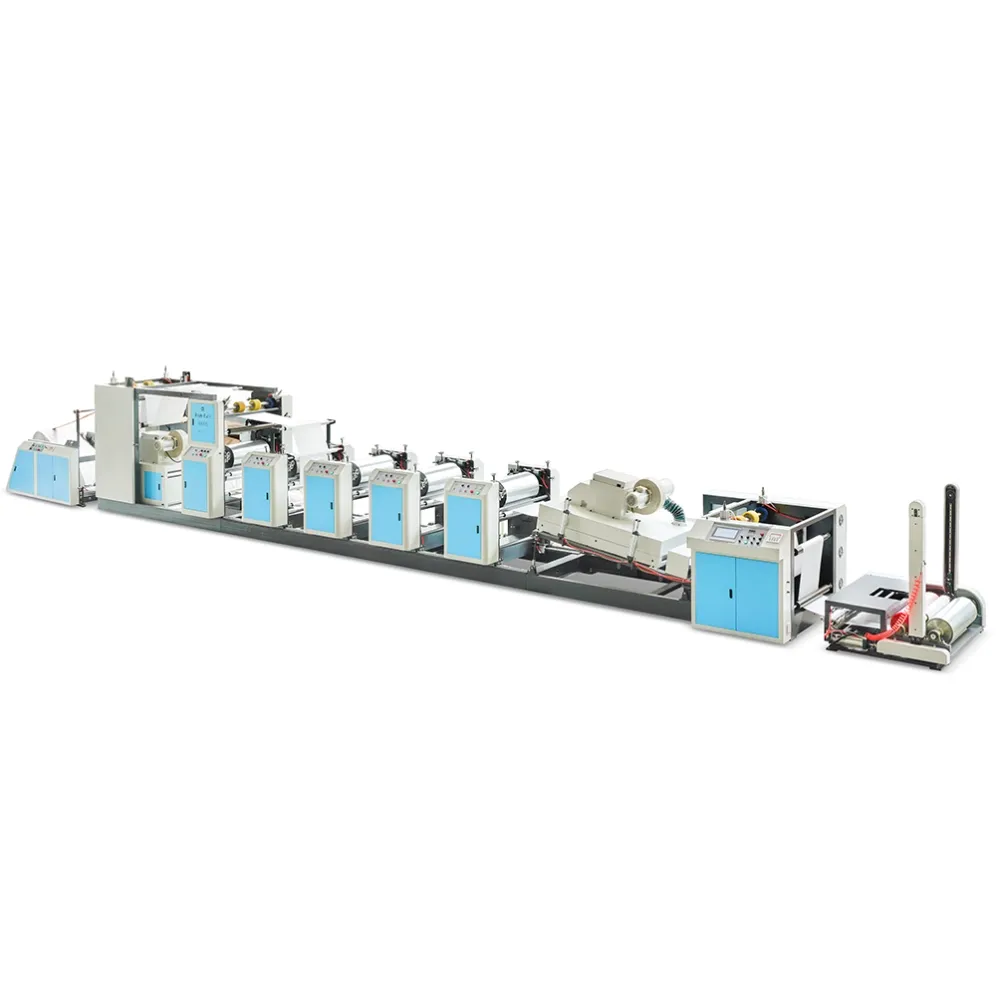
RF-QF800/900/1100-2300 Woven Bag Cutting & Sewing Machine
Discover the RICHFULL RF-QF800/900/1100-2300 cutting and sewing machine: intelligent setup, 60 bags/min and four-axis motion control for woven bag production.

The RICHFULL RF-QF800/900/1100-2300 cutting and sewing machine helps woven bag manufacturers turn fabric into neatly cut, sewn bags with less repeated setup work. Combining intelligent operation, a production speed of 60 bags per minute and four-axis motion control, this RUNFENG machine is designed for packaging producers seeking a stable, efficient conversion process.
What Does a Woven Bag Cutting and Sewing Machine Do?
A bag conversion line takes woven fabric through feeding, positioning, cutting, folding and sewing to produce bags ready for the next packaging operation. Consistent bag dimensions and a reliable bottom seam matter for both production handling and the finished appearance. They also help downstream teams work with bags that stack, open and fill consistently.
The RF-QF800/900/1100-2300 is intended for manufacturers of PP woven bags and compatible laminated woven sacks. The cutting method, seam arrangement and feeding setup should match the actual fabric and bag construction. Confirm the working range for the selected configuration when reviewing a project.
Five Advantages of the RICHFULL Cutting & Sewing Machine
1. Intelligent Operation for Different Bag Sizes
RICHFULL's intelligent operation system avoids repeated parameter adjustment when changing bag widths and lengths within the supported machine range. This simplifies routine changeovers and reduces the amount of manual setup an operator needs to repeat between compatible bag sizes.
For a factory producing several sack formats, easier changes help the team move between orders with a clearer workflow. Material positioning, thread selection and the finished sample should still be checked before a new production run.
2. High Efficiency at 60 Bags per Minute
The specified production speed is 60 pieces per minute. Coordinating fabric movement with the cutting and sewing stages helps the line deliver a steady stream of finished bags. This output capability is useful for woven bag converters handling recurring orders and packaging plants supplying multiple customers.
A production plan should account for bag size, fabric condition, seam requirements and changeover time. Continuous material supply, suitable thread and routine operator checks help turn the machine's speed capability into dependable daily output.
3. Lower Power Requirement
RICHFULL states a 2 kW lower power requirement compared with traditional machines. This advantage is relevant to manufacturers reviewing the electricity demand of their cutting and sewing process alongside production capacity.
The comparison should use equivalent materials, output and operating conditions. Kilowatts describe power; total electricity use also depends on operating hours and the actual load during production.
4. Durable Structure with Stable Unidirectional Running
The machine uses a stable unidirectional running design to support smooth operation and longer service life. A steady drive arrangement helps maintain a consistent production rhythm through repeated cutting and sewing cycles.
For factories working extended shifts, durability also depends on practical maintenance: keeping the machine clean, maintaining lubrication, checking sewing components and replacing wear parts at the appropriate intervals.
5. Four-Axis Motion Control for Precise Coordination
A four-axis motion control linkage system coordinates the machine's key movements. Synchronized motion helps maintain the timing required for repeatable feeding, cutting and sewing, supporting more consistent bag conversion.
This coordination is especially valuable when different operations must work together as one line. The finished result also depends on fabric quality, material tracking, cutting condition and the sewing setup.
From Fabric Feeding to Finished Bags

The RF-QF series process brings fabric feeding, edge guidance and mark sensing together with mouth opening, cutting, transfer, folding, sewing and bag collection. The exact arrangement depends on the selected machine configuration. Reviewing this complete sequence helps buyers identify the functions their material and finished bag require.
Applications Across Woven Bag Packaging
| Industry | Typical bags | What manufacturers need |
|---|---|---|
| Agriculture | Seed, animal feed and fertilizer sacks | Consistent bag dimensions and dependable sewn bottoms |
| Food and flour | Flour, starch, sugar and other dry-food woven sacks | Neat conversion and materials selected for the intended packaging use |
| Rice | PP woven rice bags and compatible laminated rice sacks | Clean presentation, stable bag size and repeatable seam quality |
| Chemicals | Granule, resin and compatible chemical-product sacks | Bag construction and closure matched to the contents and handling process |
| Construction materials | Compatible woven sacks for dry mortar, putty powder and building materials | A suitable seam and bag structure; liners or other closures where required |
These applications should be evaluated using the actual bag sample. Fine powders, moisture-sensitive contents and demanding handling conditions may require a liner, coating or an additional closure process.
Who Is This Machine Designed For?
Typical buyers include woven sack conversion factories, integrated woven bag manufacturers, laminated bag producers and packaging suppliers serving agricultural and industrial customers. Rice mills, flour mills and feed manufacturers with their own bag-making operations can also evaluate the line as part of an integrated packaging setup.
For a converter handling frequent size changes, intelligent operation is particularly relevant. For a factory with recurring, larger orders, speed, coordinated motion and durable operation become central purchasing considerations.
How to Select the Right RF-QF Configuration
Share your bag width and length range, woven fabric samples, coating or lamination details, cutting preference, sewing requirements and target output with RICHFULL. Include printed samples if registration marks are part of the production process. A material trial can confirm feeding stability, cut quality, bag opening and seam appearance before the configuration is finalized.
Frequently Asked Questions
Does every bag-size change require parameter adjustment?
The intelligent system is designed to avoid repeated parameter adjustment for different bag widths and lengths within its supported range. Operators should check the material setup and approve a finished sample for each job.
What is the stated production speed?
The specified speed is 60 pieces per minute. Actual sustained output depends on the bag, material, sewing requirements and production conditions.
Can it make every type of paper or powder bag?
Material and bag construction must be confirmed. The article focuses on PP woven bag conversion; paper-based constructions and bags requiring special sealing should be evaluated separately.
Discuss Your Woven Bag Production with RICHFULL
Looking for an RF-QF800/900/1100-2300 cutting and sewing machine for rice bags, feed sacks, flour packaging or industrial woven bags? Send your bag samples and production requirements to discuss a suitable configuration.